
Powered By



If you or your child has been diagnosed with immune thrombocytopenia (ITP), it’s important to learn as much as you can about this rare blood disorder. Understanding ITP can help you ask informed questions, work with your healthcare team, and take steps to stay safe.
Here are seven facts about ITP everyone with the condition should know, including how it affects your body, how it’s managed and treated, and what you can do to stay healthy and minimize bleeding risks.
If you have ITP, your immune system makes antibodies that attack and destroy your platelets because it mistakes them for harmful invaders. This means your immune system actively works to clear platelets from your body, which results in a low platelet count.
Sign up to view the results!
 Continue with Facebook
Continue with Email
Continue with Facebook
Continue with Email
When your platelet count is low, you may bruise more easily or bleed longer after a cut or an injury. Some people with ITP may also have bleeding without an obvious injury. The severity of your symptoms often depends, in part, on how many platelets you have.
In general, a platelet count below 10,000 per microliter of blood carries the highest risk of serious bleeding. A platelet count between 10,000 and 50,000 per microliter is considered moderate, while a count above 50,000 platelets per microliter is considered mild.
There are two types of ITP — primary and secondary. When you’re diagnosed with ITP, your healthcare provider will determine which type you have.
Primary ITP has no known underlying cause or associated condition. About 80 percent of people with immune thrombocytopenia have primary ITP. Secondary ITP develops because of another condition or trigger.
Possible causes of secondary ITP include certain medications, infections, blood cancers such as leukemia, and autoimmune diseases such as rheumatoid arthritis and systemic lupus erythematosus.
ITP is grouped into three phases based on how long you have had the condition:
If you’ve been diagnosed with ITP, your age at diagnosis can affect how the disease will likely progress. For example, children are more likely than adults to experience spontaneous remission, whereas adults are more likely to develop chronic (long-lasting) ITP.
In many children, ITP develops after a viral infection or another illness. Adults are more likely to develop chronic ITP, which may require long-term treatment. Even so, there’s no way to predict how the disease will progress in any one person.
About 80 percent to 90 percent of children with ITP recover within a few weeks or several months. In contrast, ITP in teens often behaves more like ITP in adults. Symptoms may last for months, and some teens develop chronic ITP.
If you have ITP, you may be asymptomatic, meaning you don’t have any symptoms. If ITP symptoms do occur, they can range from mild to severe and often depend on how low the platelet count is. Symptoms may include:
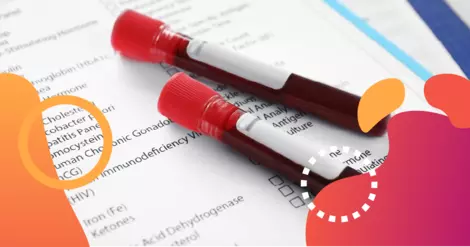
If you have symptoms of ITP, your healthcare provider will first look for other conditions that can cause low platelet counts, such as blood cancers, autoimmune disorders, infections, or certain medications. They may also test for human immunodeficiency virus (HIV), hepatitis C, or the stomach bacteria Helicobacter pylori.
Because no specific test can diagnose ITP, healthcare providers consider it a diagnosis of exclusion. This means they rule out other possible causes of low platelet counts before diagnosing ITP. During this evaluation, your doctor may recommend:
Bone marrow tests aren’t routinely needed to diagnose ITP but may be recommended in certain situations, such as when test results are unusual, treatment isn’t working as expected, or another condition is suspected.
If your platelet count warrants treatment, your hematologist will likely begin with first-line therapies or treatments. If these don’t work well enough or you develop concerning side effects, they may move on to second-line approaches.
Researchers continue to study new treatments for chronic ITP. Clinical trials are evaluating several anti-CD38 antibodies, including daratumumab, mezagitamab, and CM313. Although early results are promising, these treatments are still considered investigational and are not part of standard ITP care.
If you have ITP, it’s important to see your hematologist regularly. They can monitor your platelet count, check how well your treatment is working, and adjust your medications if needed.
At home, you can also take steps to lower your risk of bleeding and other complications. Here are some strategies for staying safe.
Some medications can increase the risk of bleeding or affect how well your blood clots. Always talk with your doctor before starting or stopping any medication, but general recommendations include:
Most people with ITP can lead active, healthy lives. However, taking a few precautions can help lower your risk of bleeding:
On myITPteam, people share their experiences with immune thrombocytopenia, get advice, and find support from others who understand.
If you have ITP, which fact most surprises you about immune thrombocytopenia and why? Let others know in the comments below.
Get updates directly to your inbox.




 Continue with Facebook
Continue with Email
Continue with Facebook
Continue with Email
Continue with Facebook
Continue with Email
Continue with Facebook
Continue with Email
Become a member to get even more





 Join
Join


 Your Privacy Choices

This is a member-feature!
Sign up for free to view article comments.
We'd love to hear from you! Please share your name and email to post and read comments.
You'll also get the latest articles directly to your inbox.