
Powered By



Immune thrombocytopenia (ITP) can be frustrating to manage, but understanding which type you have can play a major role in your treatment plan.
Some myITPteam members have found that learning more about their type has taught them how to better manage their symptoms — like bleeds or bruises — and prevent new ones.
“My doctor and I found out that my ITP is probably caused by one of my medications, so we made some adjustments,” said one myITPteam member.
This article explores three types of ITP: primary, secondary, and a version of secondary ITP called drug-induced. You’ll learn how treatments and outcomes vary by type and why an accurate diagnosis can be challenging.
Sign up to view the results!
 Continue with Facebook
Continue with Email
Continue with Facebook
Continue with Email
 Types of ITP
Generally, ITP is when the immune system mistakenly attacks platelets, leading to low platelet counts. The immune system can also prevent bone marrow, the spongy tissue that produces blood, from creating new platelets.
That said, not every type of ITP has the same causes, treatment approach, or outcomes. Compare the three types below to see how they differ.
Most people with ITP have primary ITP. This type has no known cause and isn’t linked to other diseases.
Most people with ITP have primary ITP.
Not everyone with primary ITP needs treatment right away. If your platelet count is above 30,000 per microliter and you have no symptoms or only minor ones, doctors may suggest waiting and seeing.
But if you need treatment, the main approach for adults is to calm the immune system and restore platelet levels.
Doctors may prescribe:
If these treatments don’t work, doctors may discuss other options, including a splenectomy. This surgery removes the spleen — an organ that helps filter blood and is involved in the immune system. Doctors often delay this surgery when possible because some people improve over time.
The outlook for primary ITP depends on its severity, as well as your platelet count and overall health. Mild cases may not cause symptoms or need treatment, while severe cases can be deadly.
Adults are more likely to have long-term primary ITP than children, although symptoms usually improve with treatment. Research says that people with mild to moderate cases of primary ITP have a similar or slightly lower life expectancy than the general population, depending on the study. But people who aren’t responsive to medication or surgery may have more life-threatening complications from continuous bleeding.

Secondary ITP is caused by an underlying condition, including:
For example, about 60 percent of children with ITP had a viral infection within the month before diagnosis. One myITPteam member reported that their ITP and overlapping condition symptoms worsened around the same time.
About 60 percent of children with ITP had a viral infection within the month before diagnosis.
“I’m diagnosed with rheumatoid arthritis and ITP. I’ve noticed my RA flares are accompanied by worsening ITP symptoms, but sometimes the ITP gets worse on its own, too,” wrote one member.
Doctors usually treat the condition causing secondary ITP. If the platelet count is very low or there is serious bleeding, they may also treat the ITP right away. In some cases, platelet levels can normalize if signs and symptoms of the underlying condition improve.
Some myITPteam members work with a team of doctors to control symptoms. “I have SLE and ITP. I’m fortunate to have good support from my rheumatologist and hematologist who work together on my case,” wrote one member.
The outlook for people with secondary ITP depends mostly on the condition causing it. Some people improve when that condition gets better, while others need treatment for both the underlying condition and the low platelet counts.
Even if platelet levels return to normal, long-term health depends on the underlying condition. Risks can vary widely depending on age, overall health, bleeding risk, and the cause of secondary ITP.
Drug-induced ITP is a rare but serious type of secondary ITP. It happens when the immune system reacts to medicine or, less often, to a substance in a supplement, food, or drink.
Drug-induced ITP happens when the immune system reacts to medicine or, less often, to a substance in a supplement, food, or drink.
Several medications may increase the risk of drug-induced ITP. These include:
There is also a small increase in risk following routine childhood vaccinations, such as the measles, mumps, and rubella (MMR) shot — although the benefits of the MMR vaccine outweigh the risk.
Catching ITP symptoms early and recognizing a connection to a substance helps doctors provide the right treatment quickly. Reactions can be sudden and severe with significant bleeding, so treatments focus on stopping the bleed and discontinuing whichever substance caused the reaction.
Treatments may include:
Bleeding may begin to improve within one or two days after the drug is stopped. Platelet counts usually rise over the next several days and may return to normal within about a week.
ITP is a “diagnosis of exclusion,” meaning your doctor will first rule out other possible causes of a low platelet count. If your doctor believes you have ITP, the next step is finding out the type and cause — but an accurate diagnosis can be challenging.
Tests for antibodies that attack platelets may sometimes support an ITP diagnosis, but they are not always needed or reliable. A negative result does not rule out ITP. Doctors usually diagnose ITP by reviewing symptoms, blood test results, medical history, and other possible causes of a low platelet count.
Doctors also have no reliable early way to diagnose secondary ITP at this time. One in seven adults is misdiagnosed with primary ITP when their low platelet levels are due to another condition.
Receiving an appropriate ITP diagnosis may be difficult, but a thorough medical evaluation may uncover key clues or rule out other serious conditions. Your doctor may request the following:
Medical history questionnaire — Your doctor will ask about your symptoms and how long you’ve experienced them. Medications, habits, and diet are important to discuss, especially if your doctor suspects drug-induced ITP from substance exposure.
Family history questionnaire — They will also ask if your family has a history of bleeding disorders.
Physical exam — Your doctor will look at your skin, nose, and mouth for bleeding, petechiae, and purpura, which can appear red, brown, or purple depending on your skin tone. They may also feel for enlarged lymph nodes throughout your body and press on your belly to check for swollen organs.
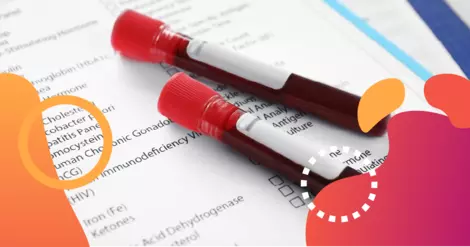
Blood tests — You may need blood drawn to check the count of your red and white blood cells and platelets for signs of infection or unusual immune function.
Imaging — In some cases, a scan of the body can uncover bleeding or underlying issues contributing to symptoms.
Bone marrow tests — Rarely, your doctor may suggest taking a sample of bone marrow (a process called aspiration and biopsy) to see if it’s healthy and is creating the right number of blood cells and platelets.
If you’re trying to better understand your type of ITP, keep track of all symptoms you experience and report them to your doctor at your next visit.
For instance, joint pain or unexpected weight loss may point to another condition linked to low platelets.
Also, repeat bleeding episodes may sometimes be linked to a medicine, supplement, food, or drink. Keeping a journal may help you notice patterns, but do not stop a medication without first talking with your doctor.
On myITPteam, people share their experiences with immune thrombocytopenia, get advice, and find support from others who understand.
What type of ITP do you have, and which treatments help? Let others know in the comments below.
Get updates directly to your inbox.




 Continue with Facebook
Continue with Email
Continue with Facebook
Continue with Email
Continue with Facebook
Continue with Email
Continue with Facebook
Continue with Email
Become a member to get even more





 Join
Join


 Your Privacy Choices

This is a member-feature!
Sign up for free to view article comments.
We'd love to hear from you! Please share your name and email to post and read comments.
You'll also get the latest articles directly to your inbox.