
Powered By



Human immunodeficiency virus (HIV) is a lifelong condition, but treatment helps many people live long, healthy lives. However, HIV can also affect platelet levels.
It has been reported that about 21 percent of untreated adults with HIV who had not yet started antiretroviral therapy (ART) had thrombocytopenia, or a low platelet count. In some cases, HIV can cause secondary immune thrombocytopenia (ITP), in which the immune system attacks platelets.
You may wonder how HIV can lead to ITP and what you can do to manage it. We’ll answer these questions in this article.
Sign up to view the results!
 Continue with Facebook
Continue with Email
Continue with Facebook
Continue with Email
HIV affects the immune system and, without treatment, can progress to acquired immunodeficiency syndrome (AIDS) and increase the risk of serious infections and noninfectious conditions like ITP.
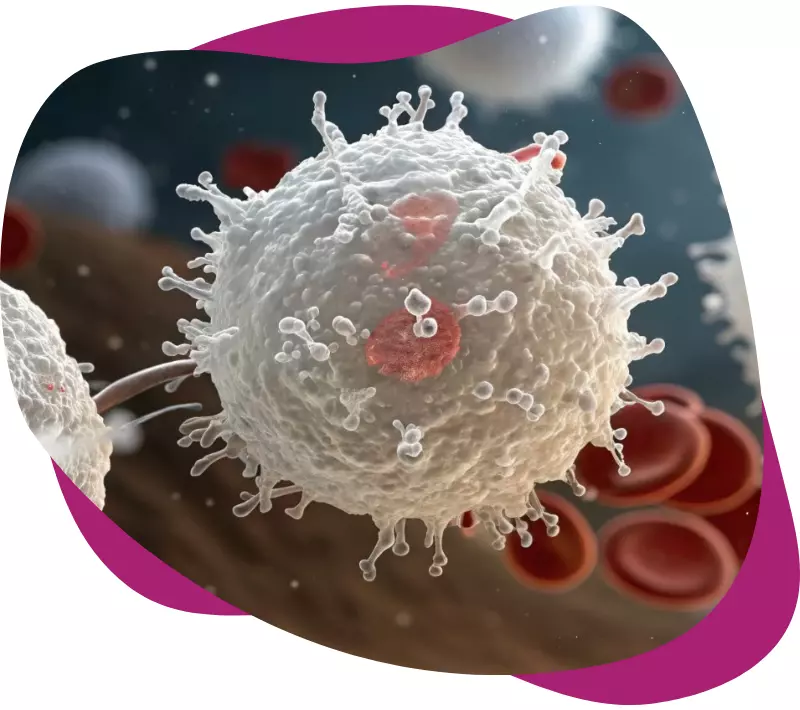 ITP occurs when your immune system destroys platelets. Platelets help form blood clots and stop bleeding. Thrombocytopenia is the second most common hematologic (blood-related) complication of HIV, after anemia.
HIV-related ITP is usually mild to moderate. However, some people develop very low platelet counts, which can raise the risk of serious bleeding.
HIV-related ITP can occur at any stage of HIV infection, although low platelet counts may be more common in people with advanced or uncontrolled HIV.
For some people, thrombocytopenia is the first sign of HIV. Symptoms may include petechiae (small red, brown, or purple dots on the skin) and bleeding gums.
Many people have no symptoms or only mild bleeding, but serious bleeding and complications can occur when platelet counts are very low.
HIV damages your immune system, so it’s not surprising that conditions involving the immune system (including ITP) might follow. However, scientists are still researching exactly how HIV leads to ITP. They have several theories on how HIV may lead to lower platelet counts.
Multiple types of thrombocytopenia can affect people with HIV. Immune-related platelet destruction, including ITP, is one important cause. Various immune complexes in HIV may lead the immune system to attack and destroy healthy platelets.
Research shows that people who have HIV-related ITP have higher HIV viral loads (more of the virus in their system). However, a higher viral load doesn’t necessarily mean that a person will develop ITP.
Research also shows that lower CD4-positive T-cell counts may be associated with thrombocytopenia in some people, but HIV-related ITP can occur at any CD4 count. Also called helper T cells, CD4-positive T cells are cells in the immune system that flag potentially problematic substances so that the immune system can attack and eliminate them.
The platelets in your blood are produced by large cells in the bone marrow called megakaryocytes. A single megakaryocyte can break down into over 1,000 platelets, which are then released into your blood for clotting and healing purposes.
Research shows that HIV may affect megakaryocytes and other bone marrow cells through several mechanisms, which can reduce platelet production.
In one study of people with HIV-related ITP, all participants were found to have immature megakaryocytes in their bone marrow. HIV appears to stop megakaryocytes from developing normally, which interferes with platelet production.
HIV-related ITP is considered secondary ITP because it develops in connection with HIV. Low platelet counts may result from the immune system destroying platelets, reduced platelet production, or another infection or health condition.
HIV-related infections and diseases, including hepatitis C, hepatitis B, and, rarely, syphilis may be linked to low platelet counts. These infections can lower platelets through different mechanisms and don’t always cause ITP.
Certain HIV medications may also contribute to low platelet levels. Yet, in many cases, HIV treatment can improve or prevent HIV-related ITP.
Certain HIV medicines can affect blood cell production, but this is not a common cause of low platelets. Zidovudine is more strongly linked to low red and white blood cell counts than to low platelet counts. In some people with HIV-related ITP, zidovudine has even been associated with higher platelet counts.
It’s worth knowing that HIV itself is one of the biggest causes of low platelets. Because of this, treating HIV often improves platelet counts rather than lowering them. Low platelets in someone with HIV can come from the virus, the medications, or both, and a doctor looks at the whole picture to tell which.
The good news is that the development of antiretroviral therapy for HIV has reduced the prevalence of ITP among people with HIV. Your doctor or healthcare team can help you manage both HIV and ITP at the same time, which can lower the risk of severe or even life-threatening bleeding episodes.
If you’re living with HIV and ITP at the same time, your doctor might advise you to get regular blood tests to monitor your circulating platelet levels. Monitoring your platelet levels can help you and your doctor know if your treatments for controlling ITP are working.
A common blood test called a complete blood count (CBC) can tell you if your platelet levels are low or within a normal range. HIV may affect the amount of other cells in your blood, such as red blood cells or white blood cells, so CBC monitoring can also help detect anemia or other conditions related to altered blood cell production.
ART for HIV is the main treatment for HIV itself and HIV-related ITP, especially for people with detectable viral loads.
Antiretroviral therapy, which usually involves a combination of medications, works against HIV by stopping the virus from reproducing. While it won’t cure HIV, it can reduce its impact on your body and health. This helps prevent the immune system damage and damage to macrophages that contribute to ITP.
A meta-analysis of data from eight studies found that ART reduced the prevalence of thrombocytopenia among people with HIV by 29 percent. Your doctor may recommend standard ITP treatments following ART to control your HIV-related ITP.
Corticosteroids can temporarily prevent antibodies in the immune system from destroying platelets in your blood.
The results of some research suggest that corticosteroids are necessary alongside ART for bringing platelet count into a normal range. However, doctors typically only prescribe them for a short time due to the risk of side effects and complications.
Some people need corticosteroids in addition to ART, but others improve with ART alone. Treatment depends on the platelet count, bleeding symptoms, and other health factors.
In cases of significant bleeding or before an urgent procedure, doctors recommend intravenous immunoglobulin (IVIG) to rapidly boost platelets. IVIG temporarily boosts your platelet count using antibodies extracted from donated plasma.

If you’re already living with HIV or are at risk, tell your doctor immediately if you notice any ITP symptoms, which can include:
Seek urgent medical care for bleeding that will not stop, blood in vomit, stool, or urine, very heavy bleeding, a severe headache, confusion, weakness, or other new neurologic symptoms.
On myITPteam, people share their experiences with immune thrombocytopenia, get advice, and find support from others who understand.
How do you manage ITP that developed from HIV? Let others know in the comments below.
Get updates directly to your inbox.




 Continue with Facebook
Continue with Email
Continue with Facebook
Continue with Email
Continue with Facebook
Continue with Email
Continue with Facebook
Continue with Email
Become a member to get even more





 Join
Join

 Your Privacy Choices

This is a member-feature!
Sign up for free to view article comments.
We'd love to hear from you! Please share your name and email to post and read comments.
You'll also get the latest articles directly to your inbox.